
The Role of Dopamine in Depression and Motivation Loss

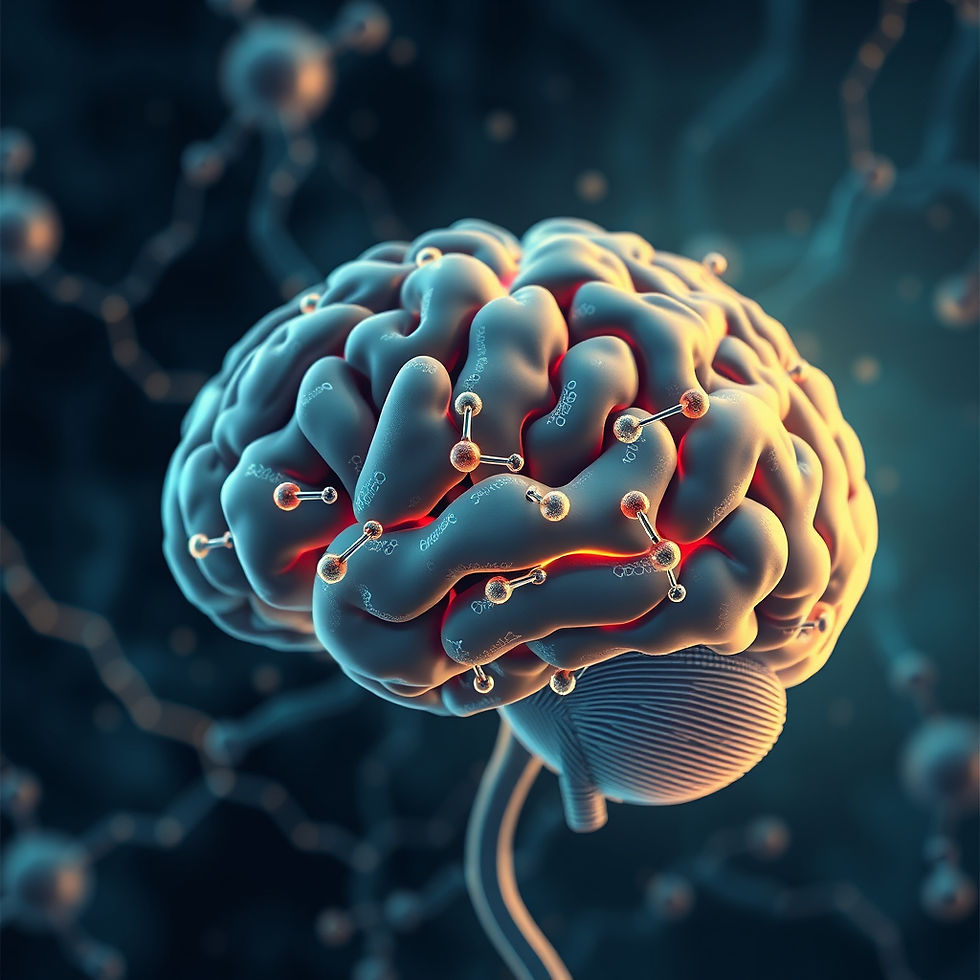
Dopamine, often called the "motivation molecule," plays a crucial role in our ability to feel driven, find pleasure in activities, and maintain focus. When dopamine levels are disrupted, as often occurs in depression, the consequences can be profound. This article explores the neurobiology of dopamine, how depression affects dopamine function, and what this means for motivation and engagement with life.
Understanding Dopamine
Dopamine is a neurotransmitter—a chemical messenger in the brain—that influences a wide range of functions including motivation, reward processing, movement, memory, and attention. Unlike serotonin, which is often associated with mood stability, dopamine is uniquely connected to our drive and the pleasure we anticipate from activities and goals.
The dopamine system operates through several pathways in the brain, each with specific roles. The mesolimbic pathway is particularly important for depression, as it's involved in reward and motivation. When functioning normally, this pathway activates when we pursue goals, helping us feel motivated and satisfied when we achieve them.
Depression and Dopamine Dysregulation
Depression involves more than just sadness—it involves dysfunction in multiple neurotransmitter systems, including dopamine. People with depression often experience significant decreases in dopamine production and receptor sensitivity, meaning the brain doesn't respond as effectively to dopamine signals even when it is present.
This dopamine dysregulation manifests as anhedonia—the clinical term for the inability to feel pleasure—and amotivation. Individuals may find that activities they once enjoyed no longer bring satisfaction. Hobbies, social engagement, career goals, and even basic self-care feel pointless and unmotivating.
The Motivation Crisis
The loss of motivation in depression is not laziness or weakness—it's a symptom rooted in neurobiology. When dopamine function is impaired, the brain struggles to generate the signals necessary for goal-directed behavior. This affects not only the pursuit of meaningful activities but also the initiation of routine behaviors like getting out of bed, showering, or eating.
Furthermore, depression creates a vicious cycle. The loss of motivation leads to withdrawal from activities, which would normally activate dopamine pathways through engagement and achievement. This social and behavioral withdrawal further depresses dopamine function, intensifying the motivational deficit.
Dopamine, Reward, and Recovery
Understanding the dopamine-depression connection offers hope for treatment and recovery. Many antidepressants, particularly those targeting dopamine along with serotonin (like bupropion), are specifically designed to improve dopamine function. Additionally, behavioral activation—engaging in activities even when motivation is low—can gradually restore dopamine pathway activation.
The recovery of dopamine function doesn't happen overnight. It often requires a combination of pharmacological support, behavioral engagement, and sometimes addressing lifestyle factors that support dopamine health, such as exercise, sleep quality, and social connection.
A Path Forward
Dopamine dysregulation in depression is a treatable condition. Recognizing that motivation loss is a symptom—not a character flaw—is the first step toward recovery. If you're experiencing persistent loss of motivation and pleasure, consult with a healthcare provider who can assess your dopamine function and recommend appropriate treatment, which may include medication, therapy, and lifestyle modifications designed to restore your sense of purpose and drive.


Comments