
Amphetamine-Induced Psychosis: A Neuropharmacologic Overview

Amphetamine-induced psychosis is a well-documented pharmacological phenomenon that occurs as a direct result of amphetamine-class substance use — including methamphetamine, prescription stimulants such as mixed amphetamine salts, and related compounds. Understanding how and why it occurs, and what it looks like in a real person, requires specialized expertise that goes well beyond reviewing a toxicology screen.
The Pharmacological Mechanism
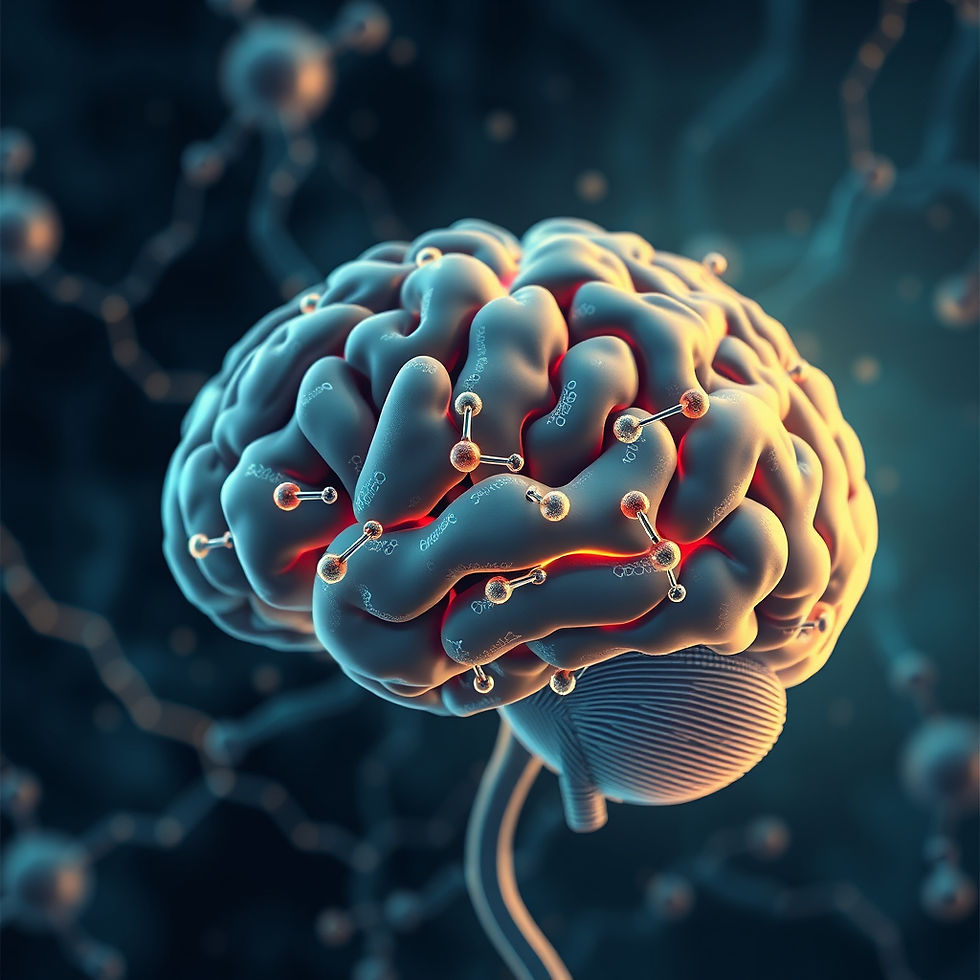
Amphetamines produce their effects primarily by flooding the brain with dopamine — far exceeding what the brain produces naturally. They do this by triggering the release of dopamine from presynaptic neurons, blocking its reuptake, and disrupting vesicular storage through interaction with VMAT2. The result is a massive and sustained excess of dopamine in critical brain circuits, particularly the mesolimbic and mesocortical pathways involved in reward processing, threat perception, and salience attribution.
When these pathways are overwhelmed with dopamine, the brain begins to misattribute significance and threat to neutral stimuli — a core mechanism behind paranoia, delusions, and hallucinations. Norepinephrine and serotonin systems are also affected, contributing to heightened arousal, agitation, and autonomic activation that compound the overall presentation.
How It Presents
Amphetamine-induced psychosis exists on a spectrum. In milder cases, a person may experience heightened suspicion, paranoid ideation, and racing thoughts. In severe cases — the ones most commonly relevant to criminal proceedings — symptoms can include florid persecutory delusions, auditory and visual hallucinations, extreme agitation, and behavior that is entirely shaped by a distorted perception of reality. Formication, the sensation of insects crawling on or under the skin, is a well-documented amphetamine-specific feature. Sleep deprivation is a critical amplifying factor; individuals who have been awake for extended periods due to stimulant use can develop more severe psychotic symptoms at lower doses and sustain them longer.
What Shapes the Severity
No two cases of amphetamine-induced psychosis look exactly alike, and that variability is precisely why expert analysis matters. The severity and character of the psychosis depend on a range of factors: the dose and frequency of use, the route of administration, the duration of the current episode of use, the degree of sleep deprivation, co-exposure to other substances, and individual neurobiological susceptibility. These variables interact in ways that are not intuitive and cannot be reliably assessed without a thorough pharmacological and clinical review of the specific individual and the specific circumstances.
Duration and Persistence
In many cases, psychotic symptoms begin to resolve as the drug clears the system. However, with chronic or heavy use, some individuals experience symptoms that persist well beyond the acute pharmacological window. This occurs because repeated high-dose exposure can sensitize dopamine pathways over time, producing neuroadaptations that extend the duration of psychotic symptoms even after the drug is no longer detectable. Understanding whether a given individual falls into this category — and what that means for the timeline of their behavior — requires a level of pharmacokinetic and pharmacodynamic analysis that goes beyond standard clinical evaluation.
Why Expert Analysis Is Essential
Determining whether amphetamine-induced psychosis was present in a specific individual at a specific point in time is not a simple exercise. It requires integrating toxicological evidence, pharmacokinetic modeling, knowledge of the drug's behavioral effects across varying exposure patterns, and a careful review of the factual record — witness accounts, medical records, and the timeline of events. A positive drug screen alone tells you very little. What matters is what that drug was doing in that person's brain, given everything we know about how they used it and when.
As a forensic toxicologist with extensive experience in cases involving amphetamine-class substances, I provide that analysis — for both prosecution and defense. I work from the science outward, building a pharmacologically grounded opinion about whether the evidence supports a finding of drug-induced psychosis, what the likely severity and character of that state was, and what it means in the context of the case. If you are working on a matter where amphetamine use and mental state are in question, contact Augsten Consulting to discuss how a rigorous toxicological analysis can inform your strategy.

Comments